
As global brands expand their reach, a meaningful connection with Chinese-speaking audiences requires more than standard marketing tactics. The digital landscape for these communities is unique, ever-changing, and deeply inspired by cultural context. Businesses seeking to establish relevance must know and leverage social media Chinese trends for meaningful engagement and sustainable growth.
China's social platforms run on a totally different set of principles dictated by user behavior, tech integration, and content type than what we expect from the West. Super-apps and short-video networks stitch messaging, shopping, and entertainment seamlessly together. This crossover means that brands must re-evaluate how they present content, ensuring it is both engaging and functional within a single ecosystem.
A core principle of social media Chinese strategy is the power of storytelling. Engaging content often prioritizes emotion, relatability, and strong visuals. Short-form videos, live streaming, and influencer collaborations fill the landscape with many opportunities for brands to engage with audiences. But success is about more than adapting global campaigns; it’s about putting content in service of cultural values and current trends.
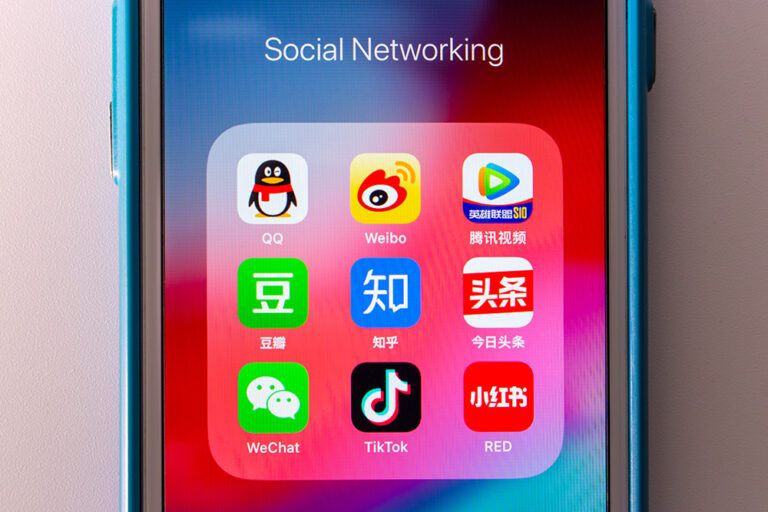
Also, language is super important. There is usually never a direct translation. Localized content, which resonates better in idiomatic expressions and cultural references, performs much better. For this reason, brands investing in social media within Chinese environments often adopt native-speaking creatives who can both authentically relay the brand message and ensure communication clarity.
There’s another defining aspect — the impact of community-driven interactions. Users respond by commenting, sharing, or generating user content that informs the distribution of messages. This participatory culture is a pressure to be reactive and adapt. Any text/image/campaign you create for Chinese social media should be interactive (e.g., challenges, polls, collaborative storytelling formats).
The integration of e-commerce is another unique feature for these platforms. Social commerce is not an afterthought—it’s built into the core. You can find, review, and buy products directly within the platform. For brands, this creates an opportunity to reduce the customer journey but also raises expectations for transparency, quality, and responsiveness. A successful social media Chinese campaign will mix entertainment and easy purchasing.
Data-driven insights are equally important. These platforms produce a wealth of user data, enabling brands to target better and customize their content. However, making use of this data calls for the knowledge of platform-specific analytics and how users behave. If You Want To Win At Marketing, adapt your strategy according to Performance Metrics and up-and-coming trends
It’s equally important to acknowledge the power of trust. This can add credibility to your message, as audiences tend to trust dedicated influencers and content creators in the space. Authentic endorsements tend to have a greater impact compared to traditional advertising, and influencer partnerships become a pillar for social media in the Chinese market.
What social media Chinese engagement requires is a structured and strategic plan that can open the door to massive potential in any digital field. Focusing on cultural relevance, interactive features, and integrated commerce allows brands to connect with this dynamic and valuable audience.
Steve Haynes is the author of this article. To know more details about weibo marketing services in Canada, please visit our website: eastwardmedia.com.